Triumph Advance Riding School
Advertising Campaign
Overview
This project was based on a design brief to advertise Triumph’s new Advanced Riding School an instructional programme aimed at developing rider skill, confidence, and control. The campaign needed to feel authoritative, aspirational, and unmistakably Triumph, while differentiating the riding school from standard motorcycle training.
Design
Process
The Brief
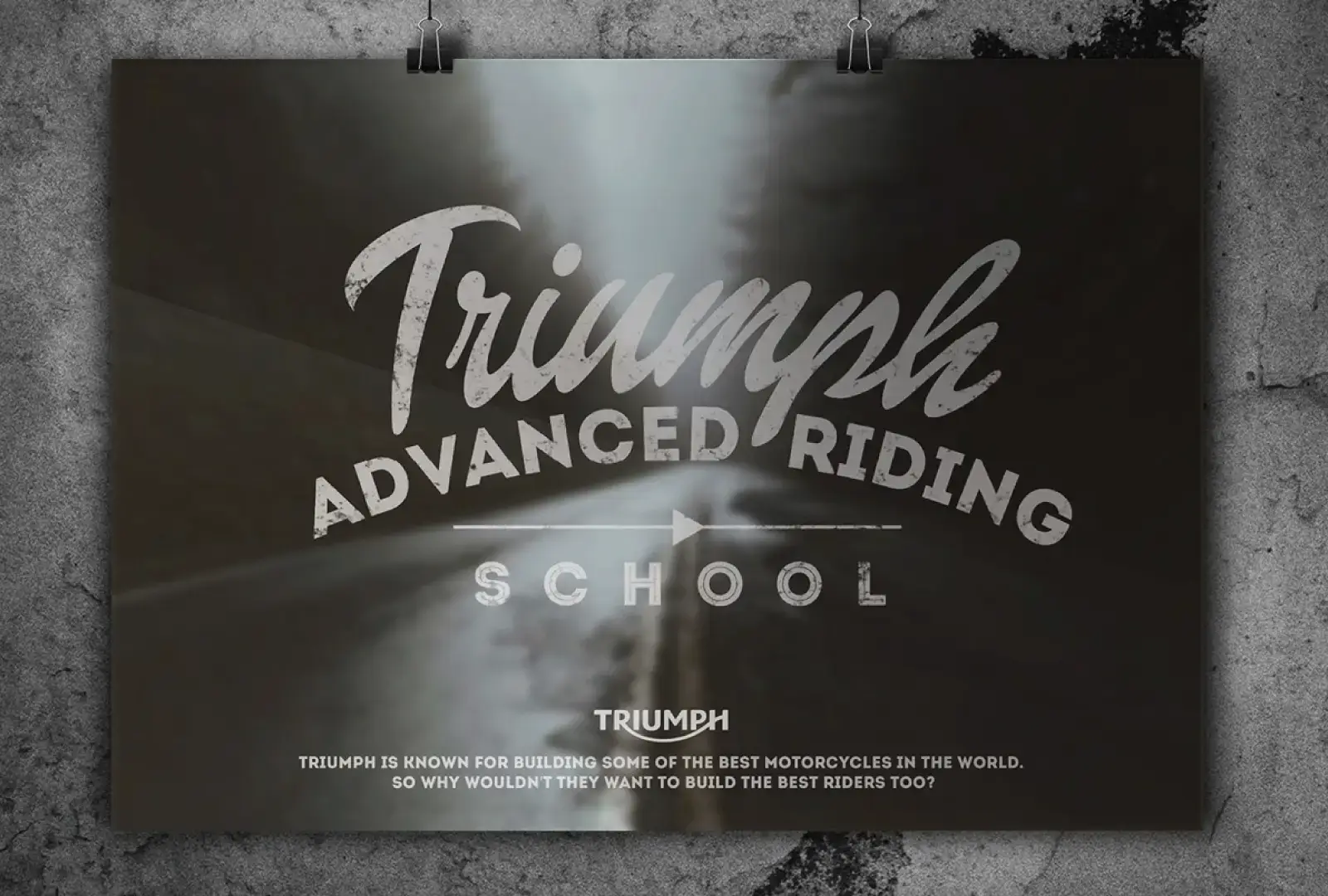
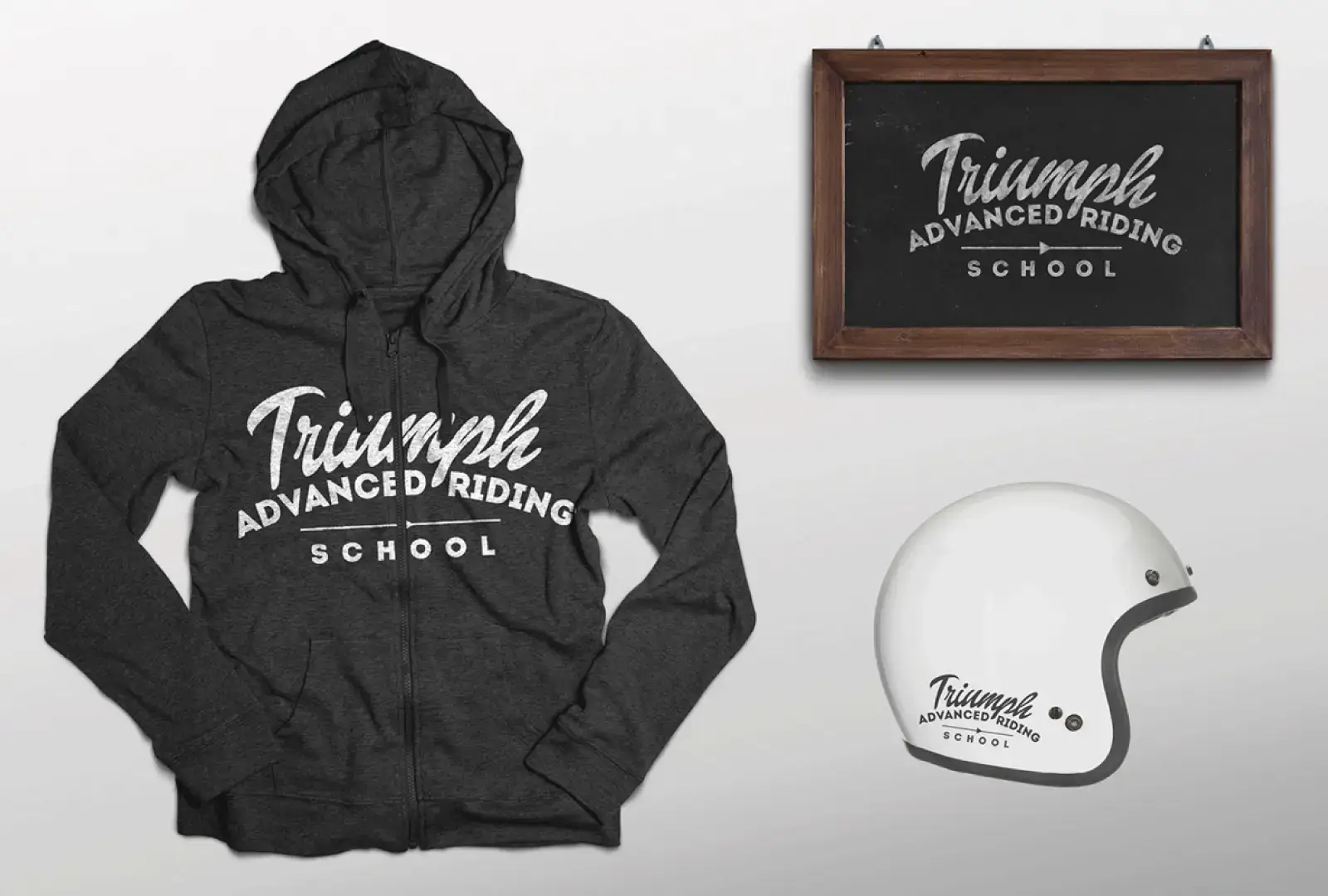
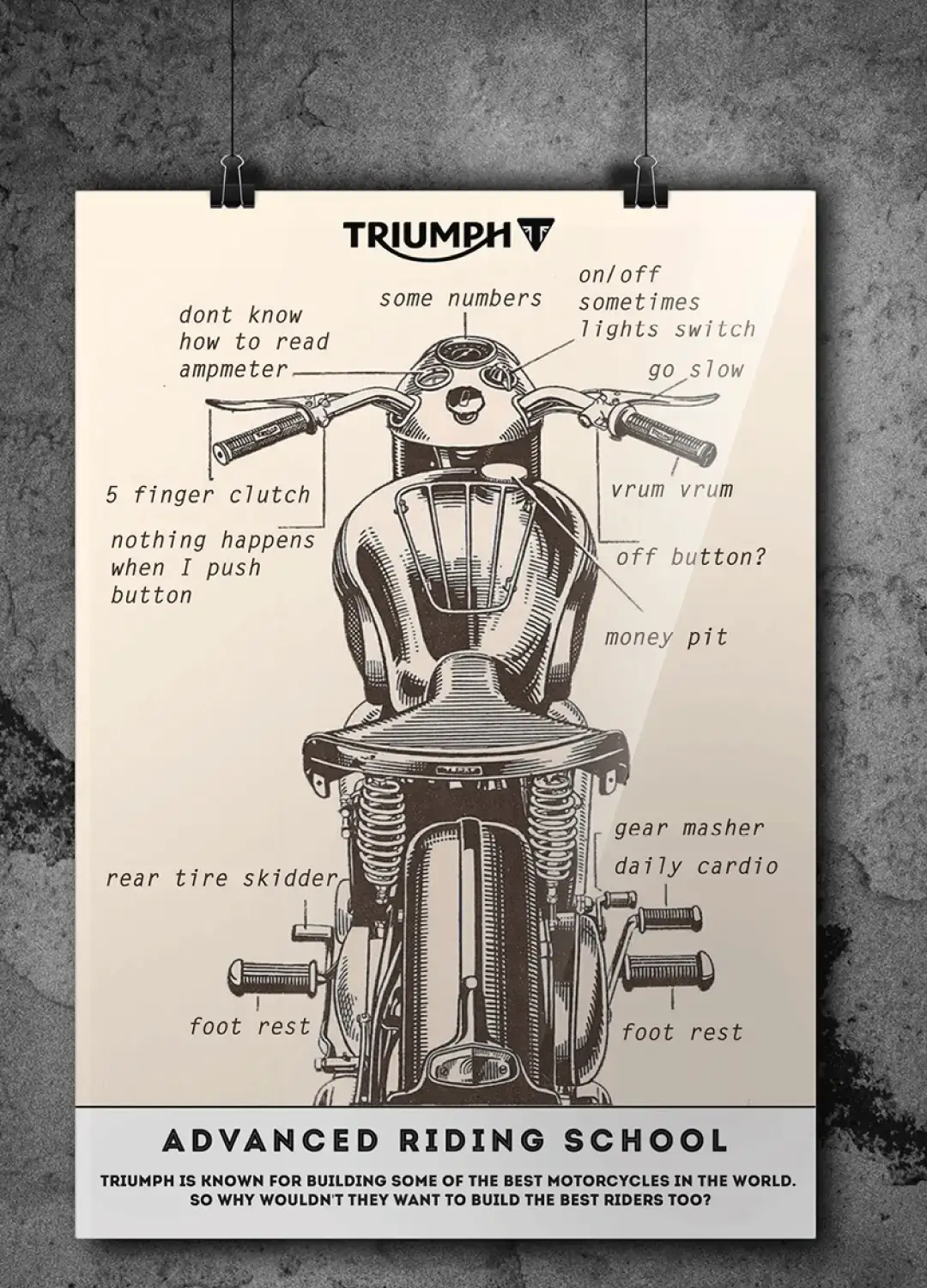
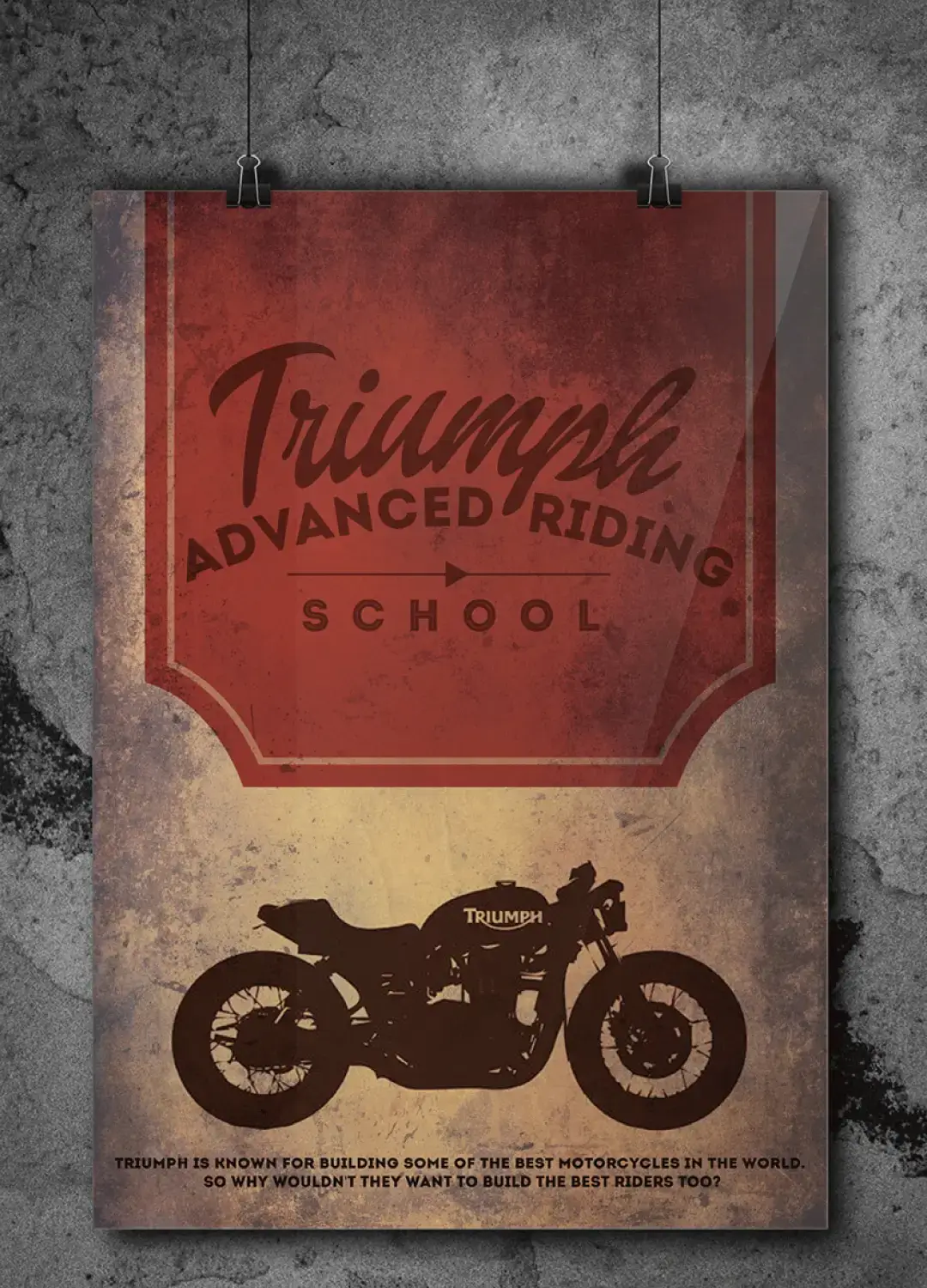
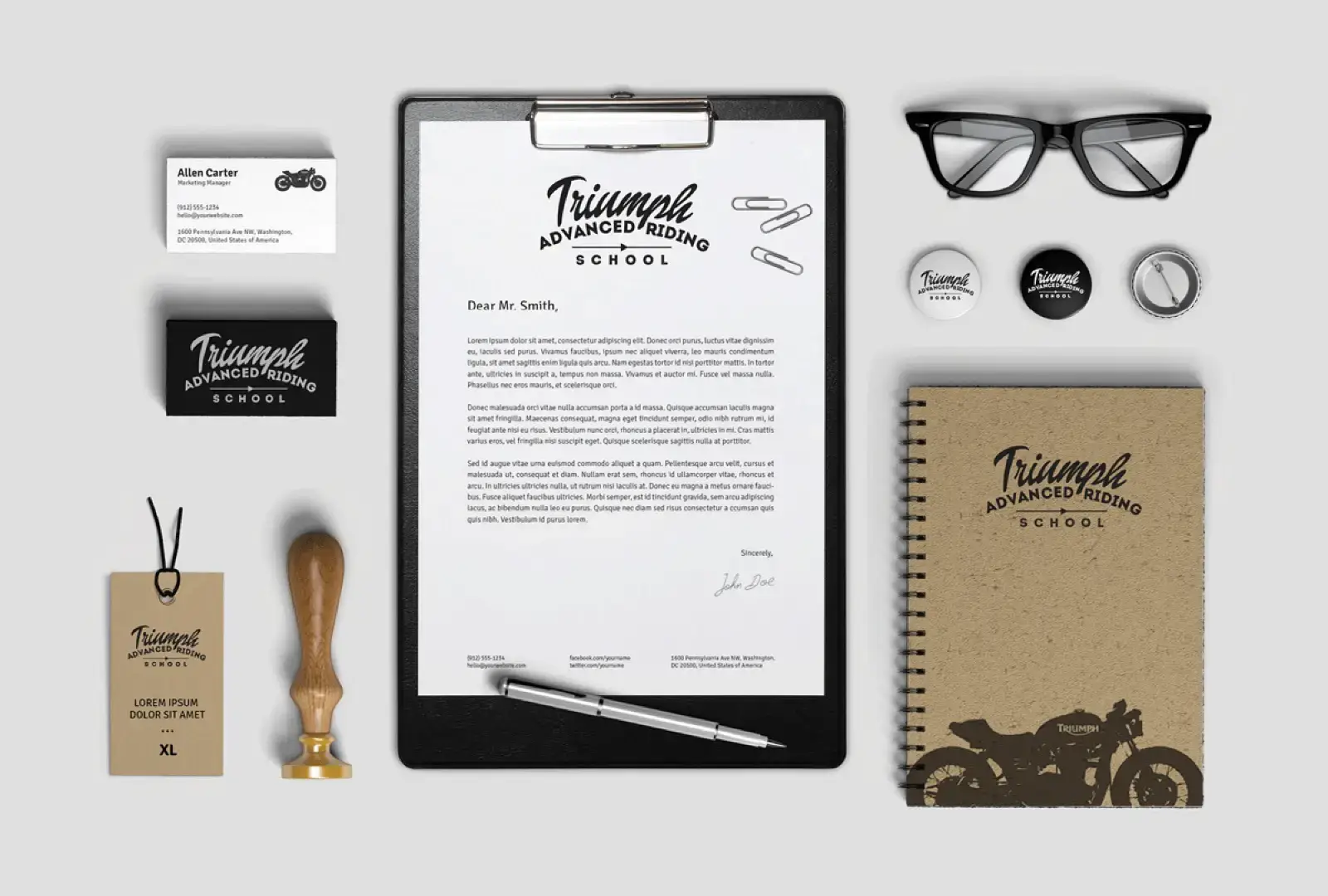
The objective was to create a set of advertisements that promote Triumph’s riding school by reinforcing the brand’s heritage, craftsmanship, and expertise. Rather than producing a modern, generic training campaign, the challenge was to design something that felt timeless and rooted in Triumph’s legacy.
Inspiration & Research
The visual direction was heavily inspired by Triumph’s own advertising campaigns from 1920–1960. During this period, Triumph established itself as a symbol of engineering excellence, independence, and British craftsmanship.
Key influences included:
Vintage motorcycle posters and print adverts
Classic editorial layouts and typographic treatments
Hand-set type, structured grids, and restrained colour palettes
The goal was not to replicate these designs, but to reinterpret them through a contemporary lens.
Design Approach
To balance heritage with clarity, I focused on layout, typography, and tone.
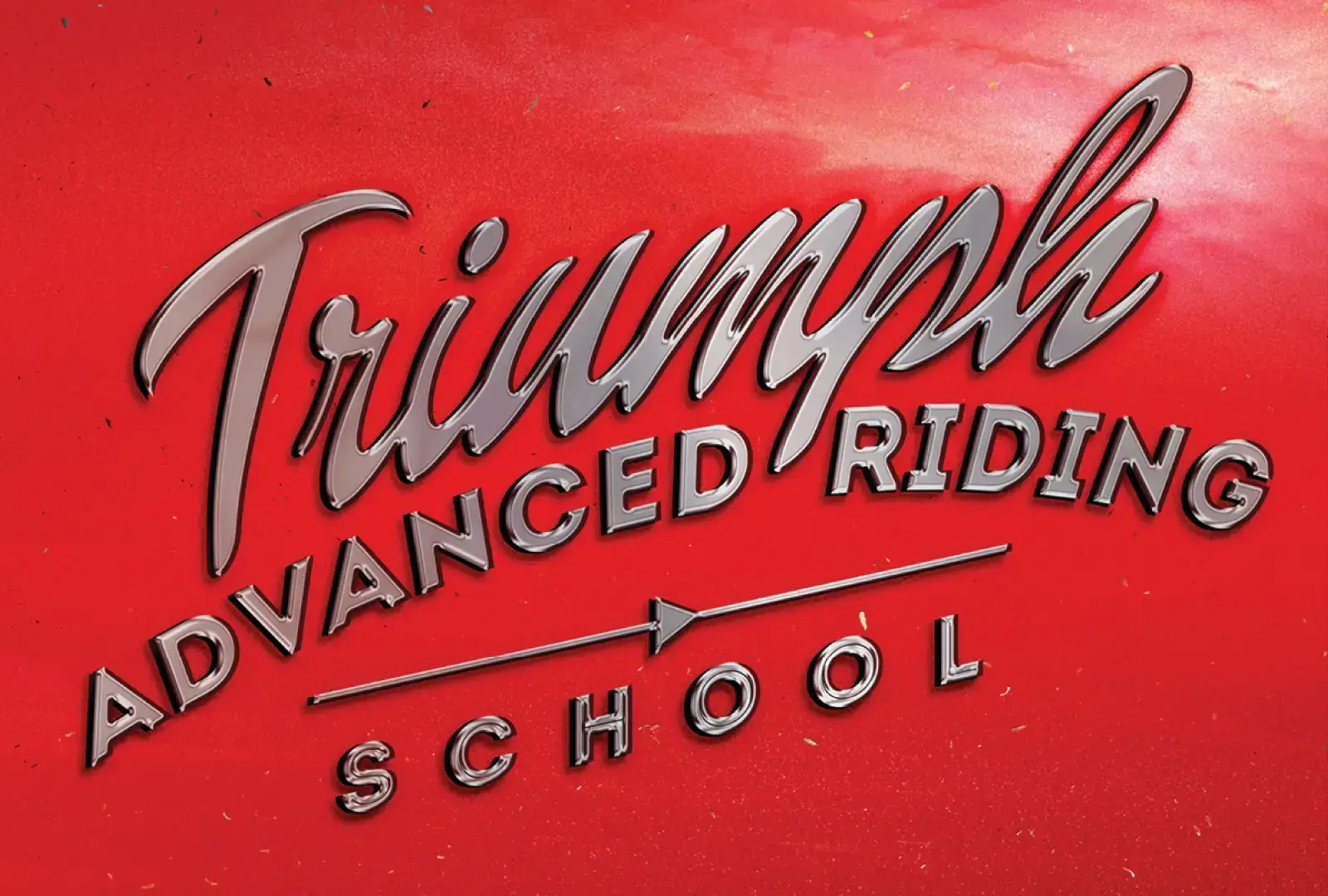
Typography: Serif and condensed typefaces inspired by early 20th-century print design, chosen to evoke authority and tradition while remaining legible and modern.
Layout: Structured, poster-style compositions reflecting classic advertising formats, with strong hierarchy and deliberate spacing.
Visual Style: Minimal colour usage and high-contrast imagery to mirror historic print techniques while keeping the campaign bold and striking.
Brand Alignment: Consistent use of Triumph’s visual language to ensure authenticity and brand recognition.
Outcome
The final campaign feels rooted in Triumph’s heritage while clearly promoting a modern riding programme. By drawing on historical references, the designs reinforce trust, expertise, and longevity positioning the Advanced Riding School as a premium extension of the Triumph brand.
This project demonstrates my ability to:
Translate brand history into contemporary design
Use research to inform visual direction
Create advertising that balances storytelling with clarity
Next
Project
Triumph Advance Riding School
Advertising Campaign
Overview
This project was based on a design brief to advertise Triumph’s new Advanced Riding School an instructional programme aimed at developing rider skill, confidence, and control. The campaign needed to feel authoritative, aspirational, and unmistakably Triumph, while differentiating the riding school from standard motorcycle training.
Design
Process
The Brief
The objective was to create a set of advertisements that promote Triumph’s riding school by reinforcing the brand’s heritage, craftsmanship, and expertise. Rather than producing a modern, generic training campaign, the challenge was to design something that felt timeless and rooted in Triumph’s legacy.
Inspiration & Research
The visual direction was heavily inspired by Triumph’s own advertising campaigns from 1920–1960. During this period, Triumph established itself as a symbol of engineering excellence, independence, and British craftsmanship.
Key influences included:
Vintage motorcycle posters and print adverts
Classic editorial layouts and typographic treatments
Hand-set type, structured grids, and restrained colour palettes
The goal was not to replicate these designs, but to reinterpret them through a contemporary lens.
Design Approach
To balance heritage with clarity, I focused on layout, typography, and tone.
Typography: Serif and condensed typefaces inspired by early 20th-century print design, chosen to evoke authority and tradition while remaining legible and modern.
Layout: Structured, poster-style compositions reflecting classic advertising formats, with strong hierarchy and deliberate spacing.
Visual Style: Minimal colour usage and high-contrast imagery to mirror historic print techniques while keeping the campaign bold and striking.
Brand Alignment: Consistent use of Triumph’s visual language to ensure authenticity and brand recognition.
Outcome
The final campaign feels rooted in Triumph’s heritage while clearly promoting a modern riding programme. By drawing on historical references, the designs reinforce trust, expertise, and longevity positioning the Advanced Riding School as a premium extension of the Triumph brand.
This project demonstrates my ability to:
Translate brand history into contemporary design
Use research to inform visual direction
Create advertising that balances storytelling with clarity
Next
Project
Triumph Advance Riding School
Advertising Campaign
Overview
This project was based on a design brief to advertise Triumph’s new Advanced Riding School an instructional programme aimed at developing rider skill, confidence, and control. The campaign needed to feel authoritative, aspirational, and unmistakably Triumph, while differentiating the riding school from standard motorcycle training.
Design
Process
The Brief
The objective was to create a set of advertisements that promote Triumph’s riding school by reinforcing the brand’s heritage, craftsmanship, and expertise. Rather than producing a modern, generic training campaign, the challenge was to design something that felt timeless and rooted in Triumph’s legacy.
Inspiration & Research
The visual direction was heavily inspired by Triumph’s own advertising campaigns from 1920–1960. During this period, Triumph established itself as a symbol of engineering excellence, independence, and British craftsmanship.
Key influences included:
Vintage motorcycle posters and print adverts
Classic editorial layouts and typographic treatments
Hand-set type, structured grids, and restrained colour palettes
The goal was not to replicate these designs, but to reinterpret them through a contemporary lens.
Design Approach
To balance heritage with clarity, I focused on layout, typography, and tone.
Typography: Serif and condensed typefaces inspired by early 20th-century print design, chosen to evoke authority and tradition while remaining legible and modern.
Layout: Structured, poster-style compositions reflecting classic advertising formats, with strong hierarchy and deliberate spacing.
Visual Style: Minimal colour usage and high-contrast imagery to mirror historic print techniques while keeping the campaign bold and striking.
Brand Alignment: Consistent use of Triumph’s visual language to ensure authenticity and brand recognition.
Outcome
The final campaign feels rooted in Triumph’s heritage while clearly promoting a modern riding programme. By drawing on historical references, the designs reinforce trust, expertise, and longevity positioning the Advanced Riding School as a premium extension of the Triumph brand.
This project demonstrates my ability to:
Translate brand history into contemporary design
Use research to inform visual direction
Create advertising that balances storytelling with clarity
Next
Project