Greenpeace
Conceptual Awareness Print Campaign
Overview
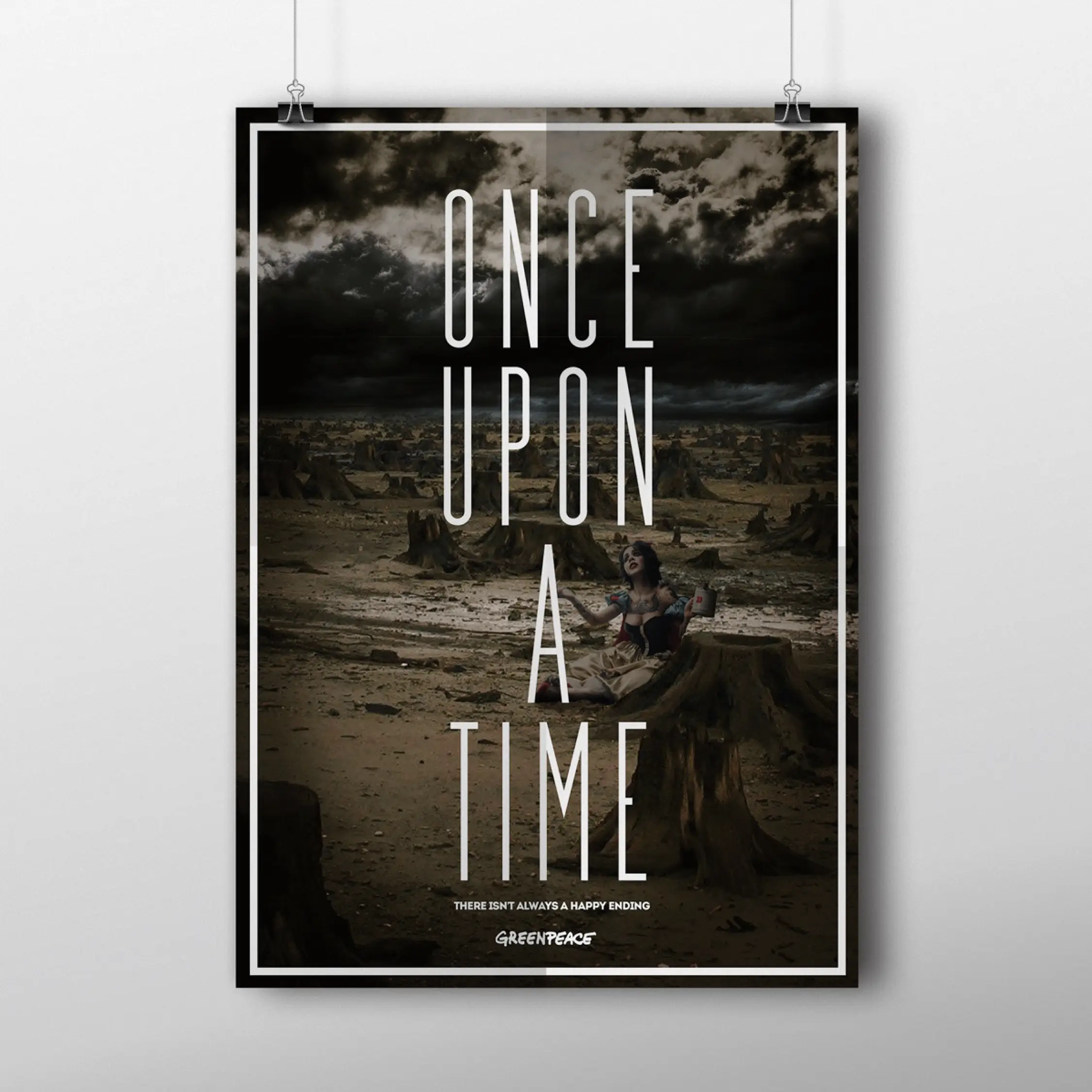
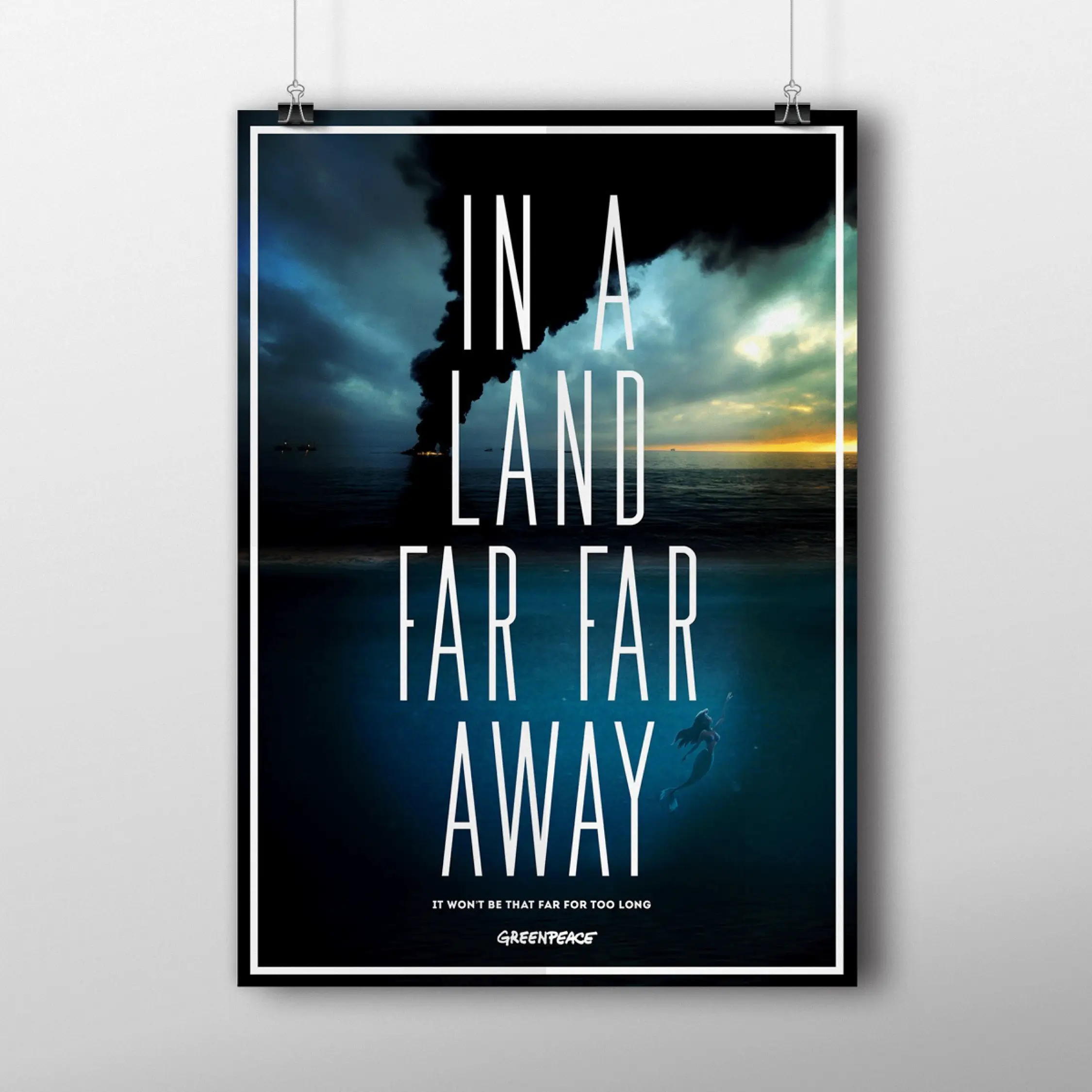
This project was a self-initiated design brief created to raise awareness around environmental destruction and humanity’s growing desensitisation to the decline of the natural world. Using Greenpeace as the campaign context, the aim was to design a series of print advertisements that provoke reflection rather than instruction encouraging viewers to confront the long-term consequences of human action and inaction.
Design
Process
The Problem
Environmental collapse is no longer shocking it has become familiar. Constant exposure to headlines about climate change, deforestation, and melting ice caps has caused many people to disengage emotionally. As a result, urgent global issues are often ignored or accepted as inevitable.
This campaign responds to that emotional numbness by reframing environmental loss through the lens of future generations highlighting what will no longer exist if current patterns continue.
The Message
Rather than telling people what they should do, the campaign asks them to think.
The core message explores the idea that the Earth’s resources are not infinite, and that places like the Amazon rainforest and the Arctic two regions disappearing at an alarming rate may soon exist only in memory. Future generations may never experience these environments as we know them today.
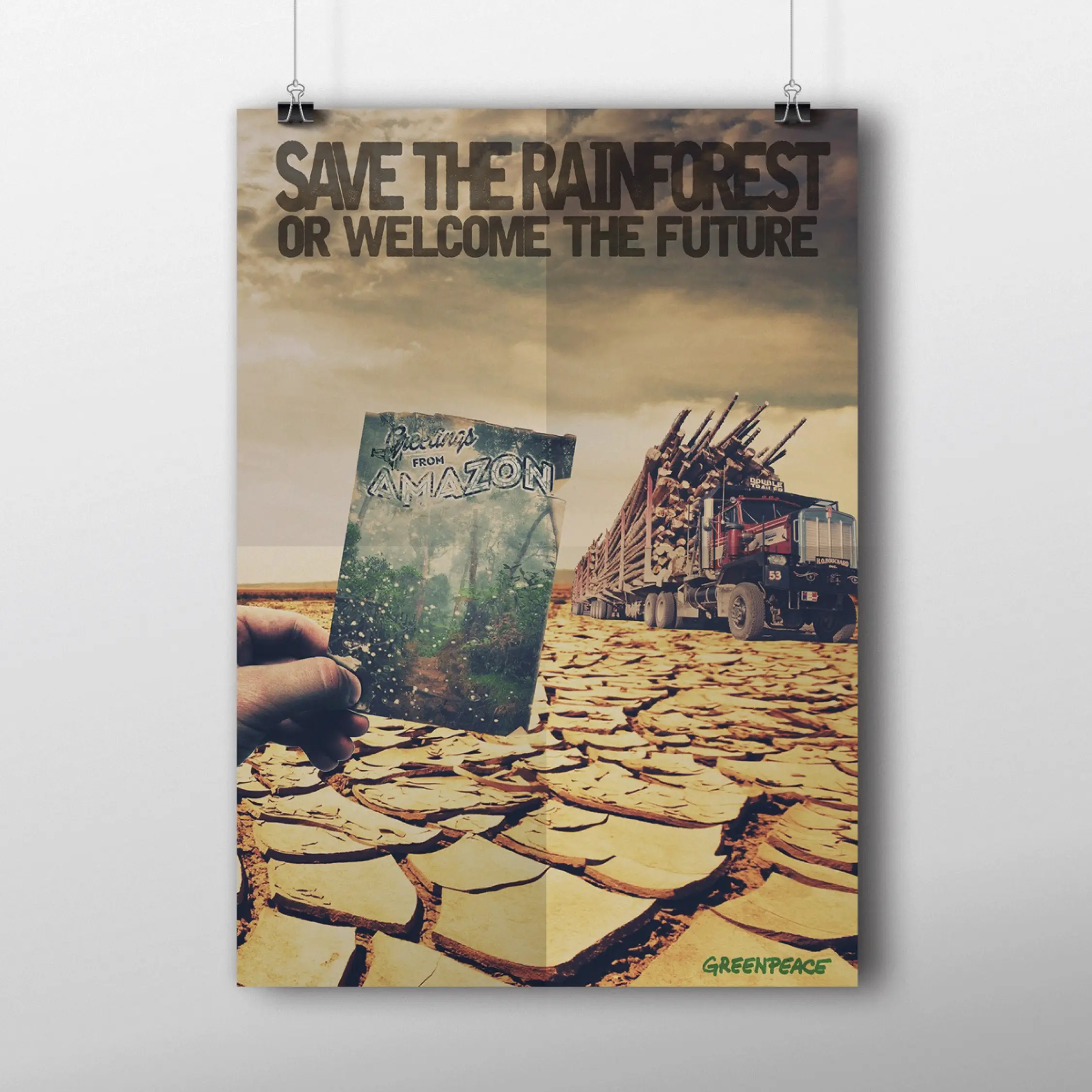
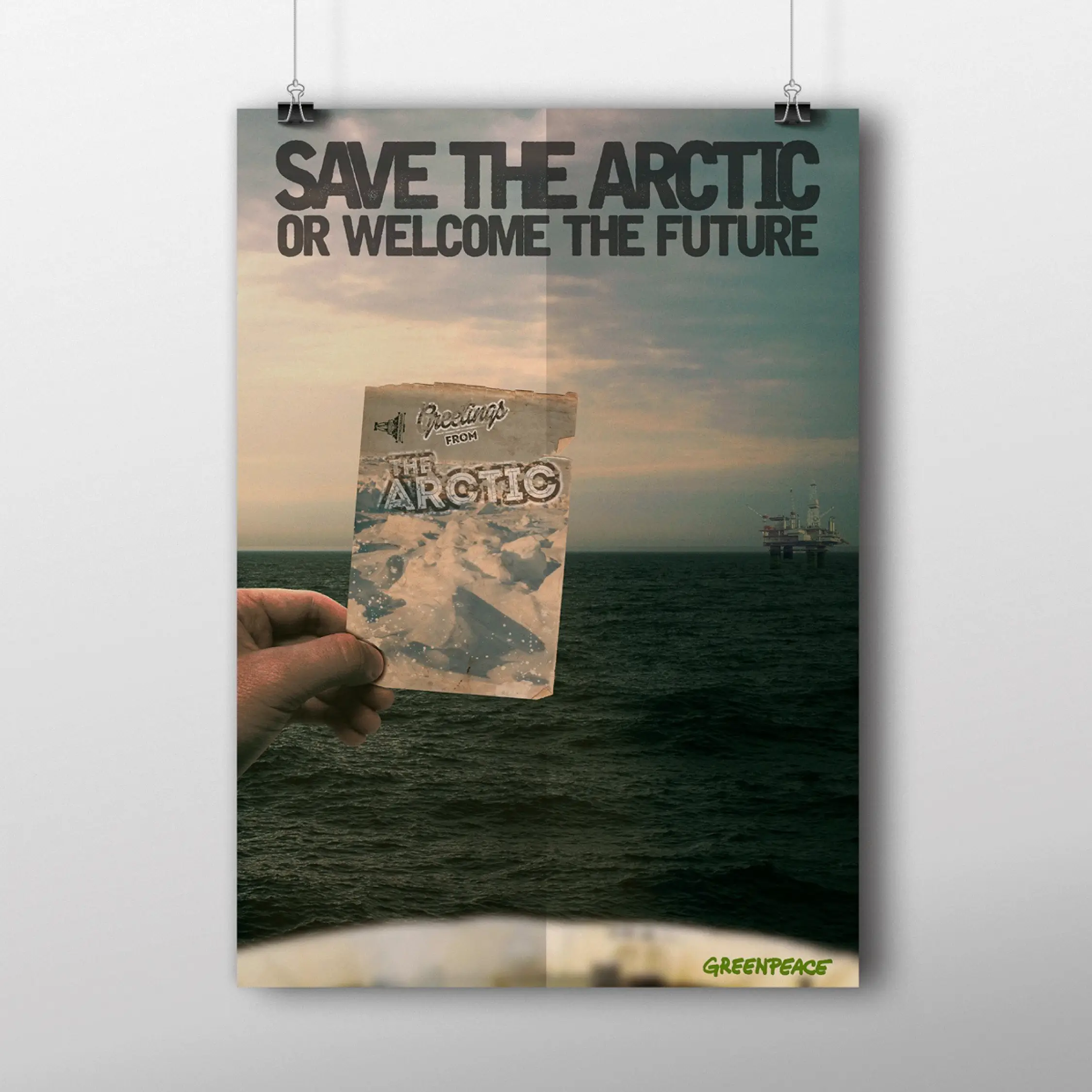
By visualising a “future state” of these locations, the designs aim to evoke empathy, loss, and responsibility encouraging viewers to reflect on the world they are leaving behind.
Concept & Approach
The campaign focuses on contrast between what exists now and what may be lost.
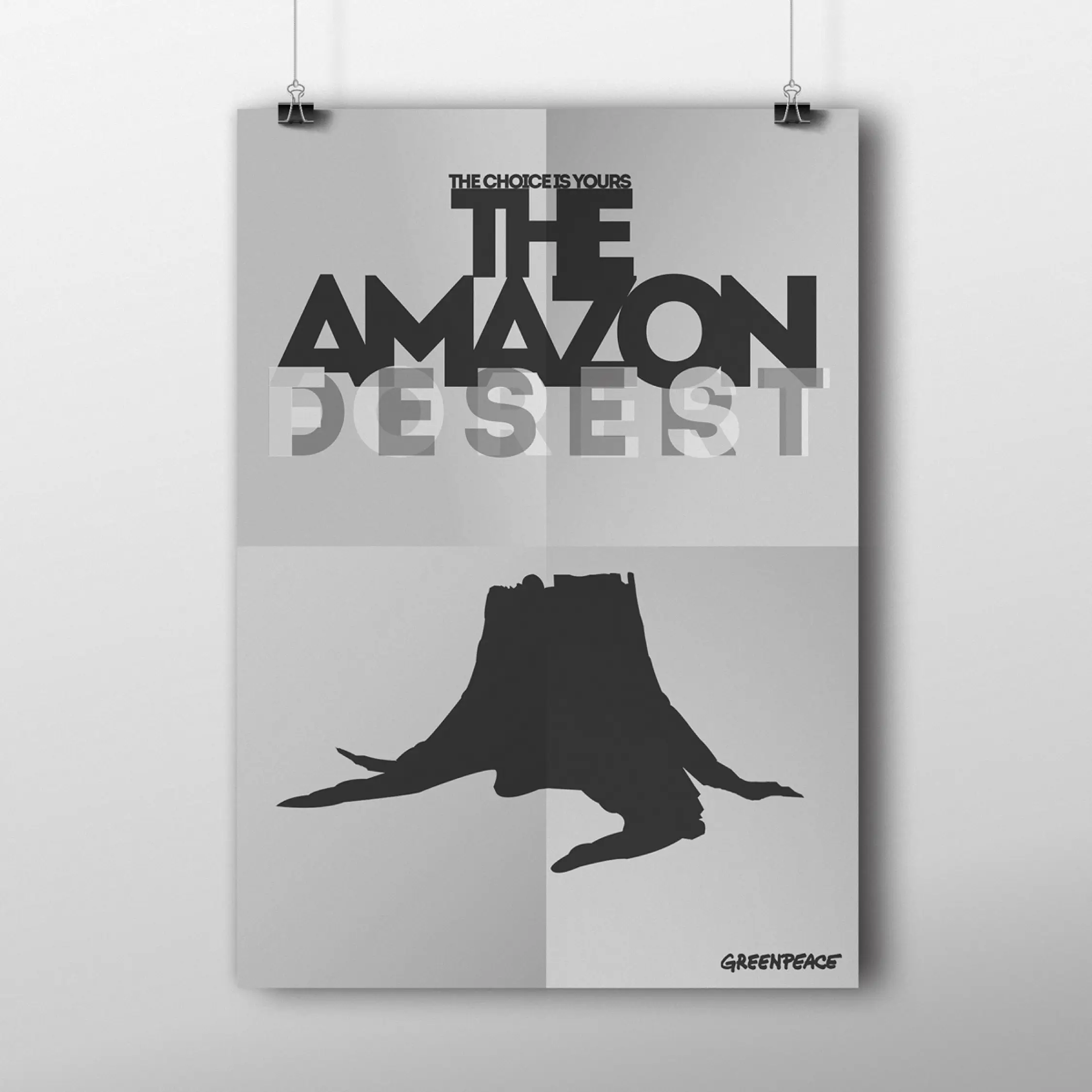
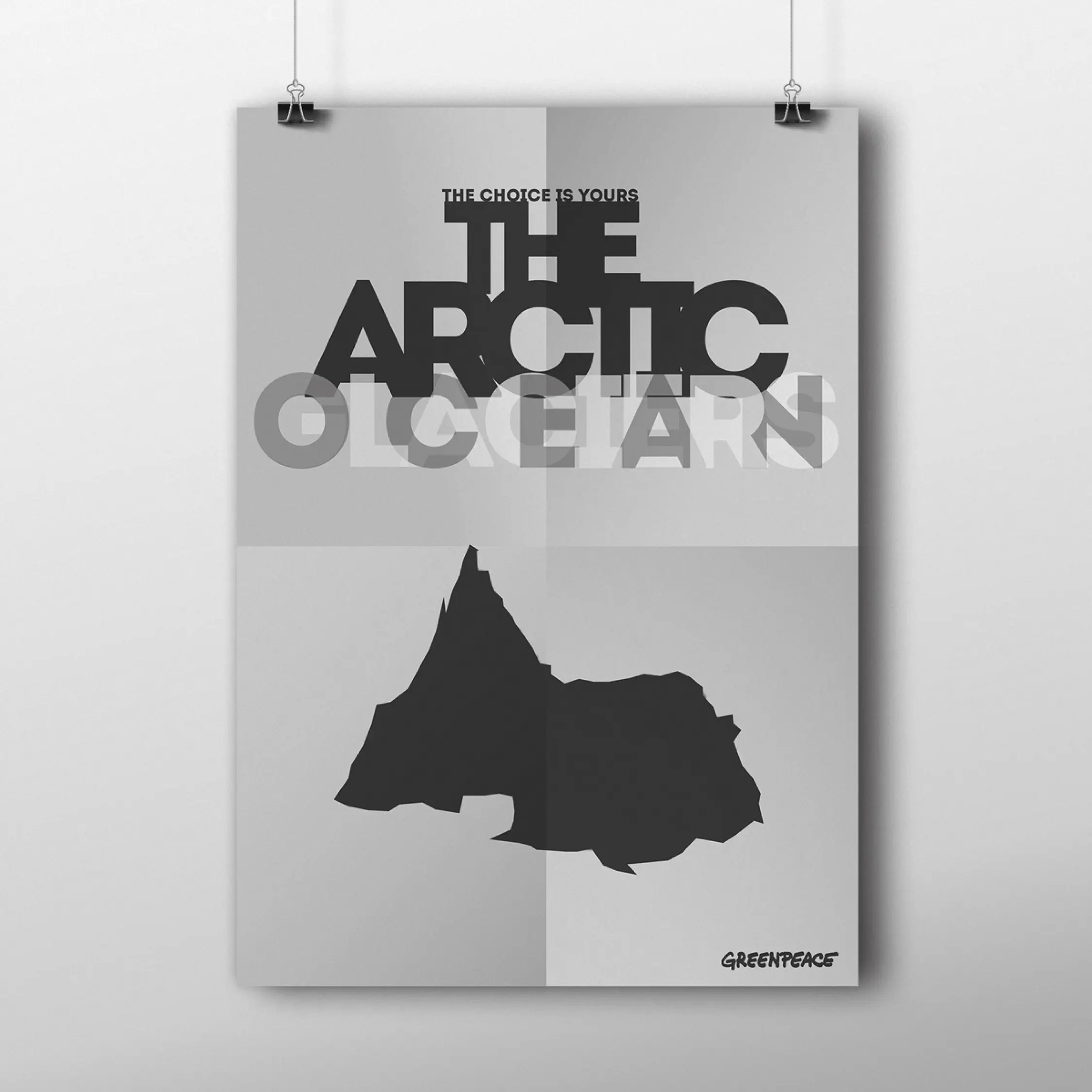
Visual Direction: Stark, emotionally charged imagery depicting the future absence or degradation of natural environments.
Tone: Somber, reflective, and unsettling designed to linger rather than shock.
Narrative Focus: The emotional impact on future generations, rather than blame or instruction.
Medium: Print posters, chosen for their ability to command attention in physical, public spaces.
The Amazon rainforest and the Arctic were selected as focal points due to their global significance and rapid rate of destruction, serving as powerful symbols of irreversible loss.
Outcome
The final poster series presents a speculative future that feels both distant and uncomfortably close. By visualising what may no longer exist, the campaign aims to reconnect viewers emotionally with environmental issues they may have grown numb to reframing climate change as a deeply human problem rather than an abstract one.
This project demonstrates my ability to translate complex, emotionally charged topics into clear, impactful visual communication using design as a tool for storytelling, awareness, and reflection.
Next
Project
Greenpeace
Conceptual Awareness Print Campaign
Overview
This project was a self-initiated design brief created to raise awareness around environmental destruction and humanity’s growing desensitisation to the decline of the natural world. Using Greenpeace as the campaign context, the aim was to design a series of print advertisements that provoke reflection rather than instruction encouraging viewers to confront the long-term consequences of human action and inaction.
Design
Process
The Problem
Environmental collapse is no longer shocking it has become familiar. Constant exposure to headlines about climate change, deforestation, and melting ice caps has caused many people to disengage emotionally. As a result, urgent global issues are often ignored or accepted as inevitable.
This campaign responds to that emotional numbness by reframing environmental loss through the lens of future generations highlighting what will no longer exist if current patterns continue.
The Message
Rather than telling people what they should do, the campaign asks them to think.
The core message explores the idea that the Earth’s resources are not infinite, and that places like the Amazon rainforest and the Arctic two regions disappearing at an alarming rate may soon exist only in memory. Future generations may never experience these environments as we know them today.
By visualising a “future state” of these locations, the designs aim to evoke empathy, loss, and responsibility encouraging viewers to reflect on the world they are leaving behind.
Concept & Approach
The campaign focuses on contrast between what exists now and what may be lost.
Visual Direction: Stark, emotionally charged imagery depicting the future absence or degradation of natural environments.
Tone: Somber, reflective, and unsettling designed to linger rather than shock.
Narrative Focus: The emotional impact on future generations, rather than blame or instruction.
Medium: Print posters, chosen for their ability to command attention in physical, public spaces.
The Amazon rainforest and the Arctic were selected as focal points due to their global significance and rapid rate of destruction, serving as powerful symbols of irreversible loss.
Outcome
The final poster series presents a speculative future that feels both distant and uncomfortably close. By visualising what may no longer exist, the campaign aims to reconnect viewers emotionally with environmental issues they may have grown numb to reframing climate change as a deeply human problem rather than an abstract one.
This project demonstrates my ability to translate complex, emotionally charged topics into clear, impactful visual communication using design as a tool for storytelling, awareness, and reflection.
Next
Project
Greenpeace
Conceptual Awareness Print Campaign
Overview
This project was a self-initiated design brief created to raise awareness around environmental destruction and humanity’s growing desensitisation to the decline of the natural world. Using Greenpeace as the campaign context, the aim was to design a series of print advertisements that provoke reflection rather than instruction encouraging viewers to confront the long-term consequences of human action and inaction.
Design
Process
The Problem
Environmental collapse is no longer shocking it has become familiar. Constant exposure to headlines about climate change, deforestation, and melting ice caps has caused many people to disengage emotionally. As a result, urgent global issues are often ignored or accepted as inevitable.
This campaign responds to that emotional numbness by reframing environmental loss through the lens of future generations highlighting what will no longer exist if current patterns continue.
The Message
Rather than telling people what they should do, the campaign asks them to think.
The core message explores the idea that the Earth’s resources are not infinite, and that places like the Amazon rainforest and the Arctic two regions disappearing at an alarming rate may soon exist only in memory. Future generations may never experience these environments as we know them today.
By visualising a “future state” of these locations, the designs aim to evoke empathy, loss, and responsibility encouraging viewers to reflect on the world they are leaving behind.
Concept & Approach
The campaign focuses on contrast between what exists now and what may be lost.
Visual Direction: Stark, emotionally charged imagery depicting the future absence or degradation of natural environments.
Tone: Somber, reflective, and unsettling designed to linger rather than shock.
Narrative Focus: The emotional impact on future generations, rather than blame or instruction.
Medium: Print posters, chosen for their ability to command attention in physical, public spaces.
The Amazon rainforest and the Arctic were selected as focal points due to their global significance and rapid rate of destruction, serving as powerful symbols of irreversible loss.
Outcome
The final poster series presents a speculative future that feels both distant and uncomfortably close. By visualising what may no longer exist, the campaign aims to reconnect viewers emotionally with environmental issues they may have grown numb to reframing climate change as a deeply human problem rather than an abstract one.
This project demonstrates my ability to translate complex, emotionally charged topics into clear, impactful visual communication using design as a tool for storytelling, awareness, and reflection.
Next
Project